Restoring an antique home is a labor of love.
Antique homes are testaments to time. They’re elegant, beautiful, and endlessly worth saving. Many people dream of restoring one, but the process involves careful planning, from financing to finding skilled craftspeople who can revive old windows, wood floors, and intricate crown moldings.
At Advanced 24/7 Restoration, we specialize in restoring historic properties to their former glory. This guide will walk you through every step of the process, from finding grants for restoring antique homes to practical old-house repair tips.
Why Restore the Original Structure of an Old Home?
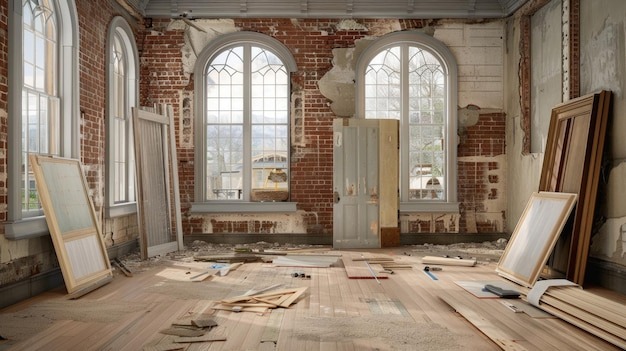
Every old house holds a story. The creak of its floorboards, the hand-carved moldings, and the tin ceilings are all reminders of when homes were built to last and with care. Restoring an antique home isn’t just about fixing what’s broken; it’s about honoring the people and craftsmanship that came before you.
Beyond sentiment, restoration has tangible rewards:
- Historical Preservation: Original architecture is the bones of your antique home. Do what you can to preserve it and honor the history of your home.
- Increased Property Value: Thoughtful restorations often raise home values, attracting buyers who appreciate authenticity and character.
- Unique Character: From crown moldings to handmade tiles, restored features add personality and warmth that modern homes often lack.
Bringing an old home back to life can be deeply rewarding, but it requires time, money, and patience.
How to Restore an Old Home
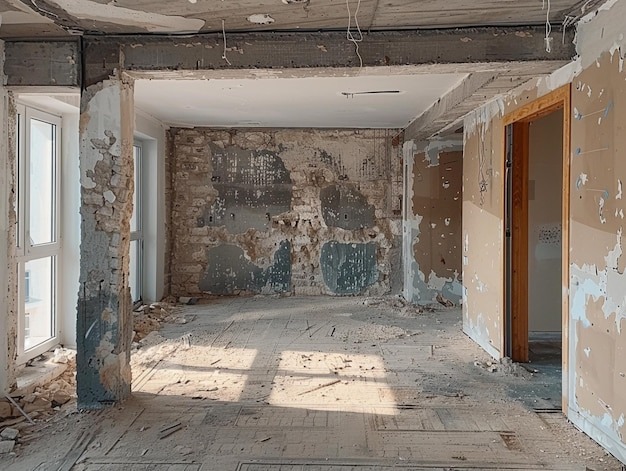
Restoring an old home requires a careful approach. Here’s a step-by-step guide to help you through the process:
- Evaluate the Condition: Assess the home’s current state before diving in. Inspect the foundation, roof, plumbing, electrical systems, and overall structure. Identify damage, prioritize repairs, and set realistic goals for your timeline and budget.
- Research your Home’s History: Find out all you can about your antique home. Study its background and architectural style. Understanding when and how it was built will help guide your restoration choices and preserve authenticity.
- Develop a Detailed Plan: Create a roadmap that outlines your project’s scope, budget, and sequence of work, from structural repairs to aesthetic finishes. The best restorations honor the home’s original craftsmanship while subtly integrating modern comfort and safety.
- Historic Home Restoration: When your home has historical significance, let its original design and craftsmanship guide you, honoring its story while preserving its authentic character.
- Restoration Grants for Antique Homes: Look into available grants for restoring old homes. These grants can provide financial assistance and support your restoration efforts.
This careful planning will benefit you in the weeks and months ahead.
Restoration Grants and Financial Incentives
Restoration grants and other state and federal financial incentives are critical to antique home restoration. Advanced 24/7 Restoration can help you navigate the application process and increase your chances of receiving the financing you need.
- Research Available Grants: Look for grants specific to your location and specific to project type.
- Prepare Documentation: Gather necessary documents, including property history, restoration plans, and budget estimates.
- Submit Applications: Follow the application guidelines carefully and submit your request by the deadline.
- Federal and State Historic Preservation Grants: These grants support restoring historically significant properties.
- Local Preservation Society Grants: Many local societies offer financial aid for restoring old homes.
- Tax Incentives: Federal and state tax credits may be available for qualifying restoration projects.
These opportunities help offset restoration costs and promote heritage preservation and community revitalization.
Restoring Old Homes: Techniques and Best Practices
The art of restoring an antique home involves several disciplines. Thankfully, many renovators and collectors have paved the way in craftsmanship, and they have the following advice.
- Preserve Original Craftsmanship: Repair rather than replace original moldings, flooring, and fixtures whenever possible.
- Use Authentic Materials: Match woods, finishes, and textures true to the home’s period.
- Blend Modern Safety with Historic Style: Update wiring, plumbing, and insulation while maintaining original aesthetics.
- Finish with Period-accurate Details: Paint colors, lighting, and textiles that reflect the era for an authentic restoration.
In the end, restoring an old home is more than repair; it’s about reviving the soul of a place built to last.
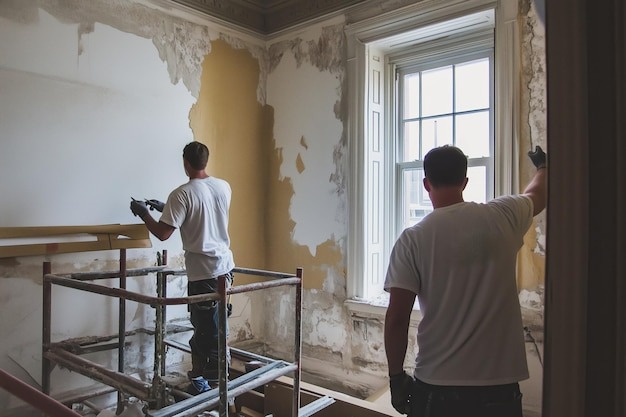
Antique Home Restoration Services from Advanced 24/7
Restoring an antique home is an adventure, and often expensive, so you have to love it. It won’t be a quick money-making flip, and could take years to complete. Advanced 24/7 Restoration specializes in old home restoration. Our tradespeople are uniquely qualified in the techniques required for antique home restoration.
Finding the funds is at the top of our minds, so we assist in writing grants and securing funding. Send us a message if you have a project you’d like us to review, or call us directly at (720) 722-4777 to get your dream antique home restoration started.
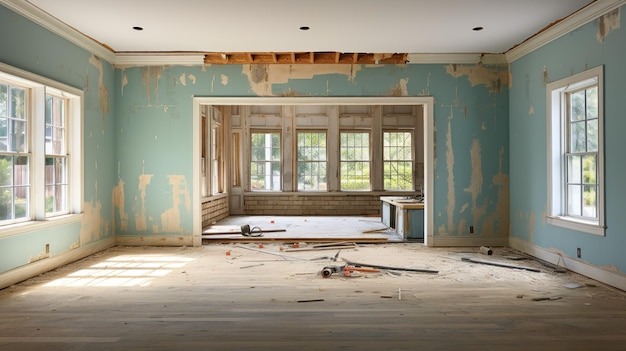
Frequently Asked Questions
Explore our FAQs for expert tips on old home restoration with Advanced 24/7 Restoration. We’re here to guide you every step of the way!
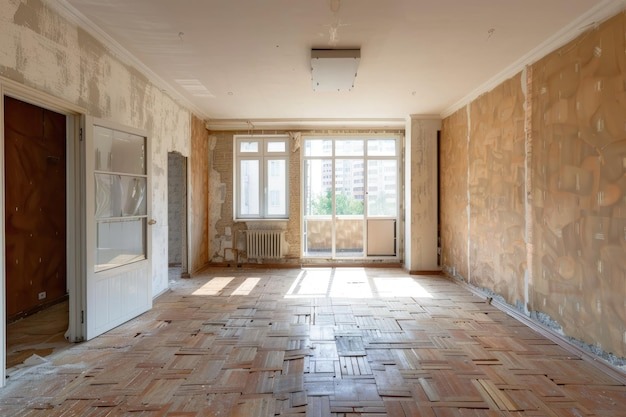
What are the first steps in restoring a historic home?
- Assessment: Start by evaluating the overall condition of the home. Look for structural issues, electrical and plumbing systems, and any signs of mold or pest damage.
- Historical Research: Research the home’s history to understand its original design and materials.
- Budgeting: Develop a detailed budget that includes contingencies for unexpected issues.
- Permits: Check local regulations and obtain necessary permits for renovation work.
How do I find a reputable contractor for restoration work?
- Referrals: Ask for recommendations from friends, family, or local historic preservation societies.
- Experience: Look for contractors with experience in historic restorations.
- References: Check references and review past projects.
- Licensing and Insurance: Ensure the contractor is properly licensed and insured.
What should I know about restoring original materials and features?
- Preservation vs. Replacement: Decide whether to restore original materials or replace them with period-appropriate materials. Restoring often requires specialized skills.
- Sourcing Materials: Find materials that match the original ones as closely as possible. Salvage yards and specialty suppliers can be useful.
- Documentation: Document original features before starting work to ensure they can be accurately restored.
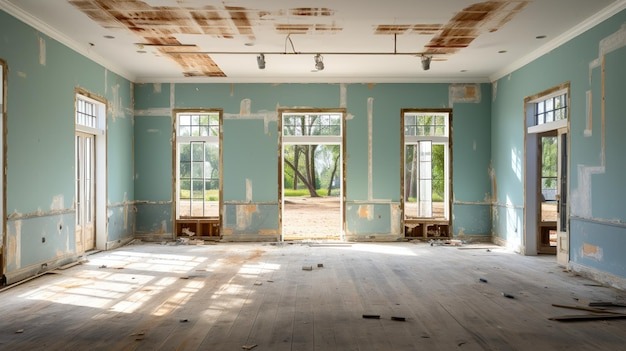
How can I address structural issues in a historic house?
- Inspection: Hire a structural engineer to assess any issues with the foundation, framing, or load-bearing walls.
- Reinforcement: Solutions may include underpinning, adding supports, or repairing damaged framing.
- Consult Experts: Work with experts who specialize in historic structures to ensure that repairs are compatible with the home’s age and style.
Advanced 24/7 Restoration’s mission is to provide unparalleled care and support to our valued clients. Delivering the best solutions for your property restoration needs. Our vision is to be the top-rated damage restoration company in Denver, known for our exceptional services, professionalism, and dedication to customer satisfaction. Water damage, fire damage, flood damage, and more.